

Orthodontic care plays a crucial role in creating healthy, functional, and aesthetically pleasing smiles. While many people associate braces or aligners with adolescence, early evaluation by an orthodontist can be just as important for children and even adults. Identifying potential issues with teeth alignment, jaw development, or bite patterns at an early stage allows for timely intervention, reducing the risk of complex dental problems later. In this article, we explore the significance of early orthodontic evaluation, the principles behind orthodontic treatment, common interventions, and lifestyle tips to maintain optimal oral health throughout treatment.
What Is an Early Orthodontic Evaluation?
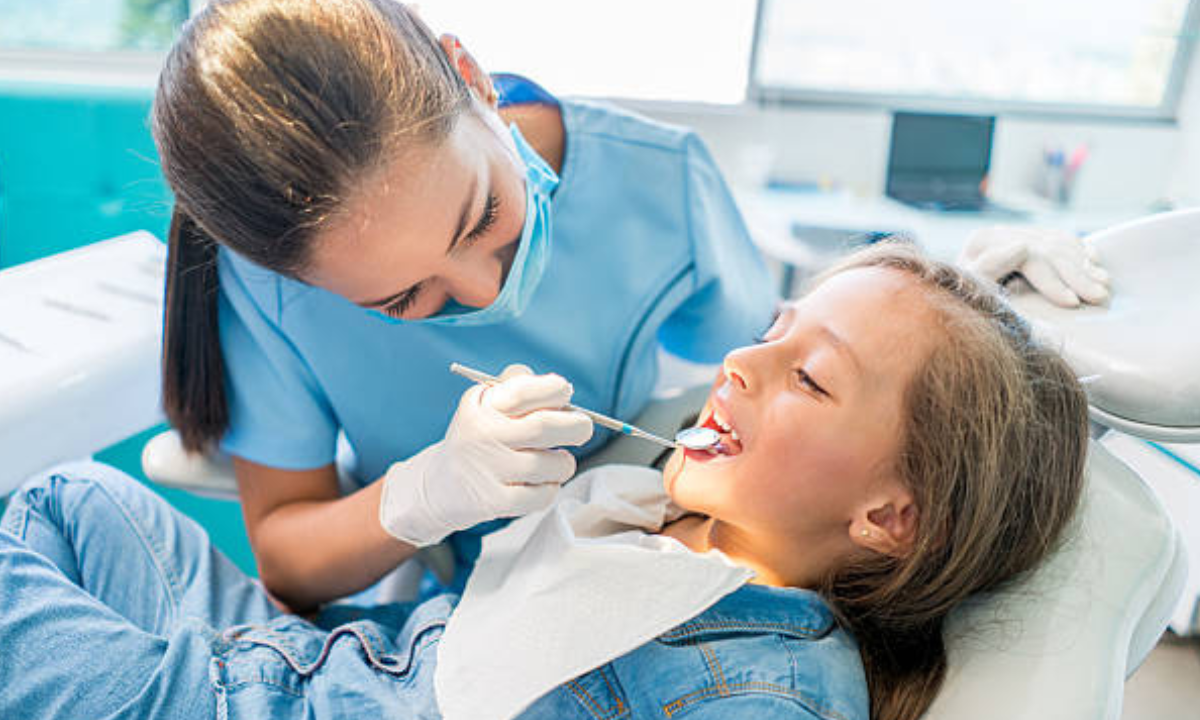
An early orthodontic evaluation, typically recommended around age seven, involves a comprehensive assessment of a child’s teeth, jaw, and bite. During this evaluation, the orthodontist examines how teeth erupt, whether the upper and lower jaws are developing in harmony, and if there are signs of misalignment, crowding, overbite, underbite, or crossbite. Early detection enables proactive treatment planning, which can simplify future interventions, prevent severe malocclusion, and improve facial symmetry. Home to both cosmetic and functional benefits, early orthodontic care helps establish a foundation for lifelong oral health.
Principles of Orthodontic Treatment
Orthodontics operates on the principle of guiding teeth and jaws into proper alignment for both functional and aesthetic purposes. Treatments rely on the application of gentle, controlled forces to teeth and surrounding structures to gradually shift them into their correct positions. Modern orthodontics emphasizes individualized care, using diagnostic tools such as X-rays, 3D imaging, and digital models to create tailored treatment plans. By correcting bite issues and aligning teeth, orthodontic treatment improves chewing efficiency, reduces the risk of tooth decay or gum disease, and enhances speech and facial symmetry.
Common Orthodontic Interventions
Orthodontic interventions vary based on age, dental development, and specific alignment issues. Traditional braces use brackets and wires to correct a range of misalignments, from crowding to bite problems. Clear aligners are removable, nearly invisible trays that gradually move teeth into position and are popular among teens and adults for their convenience. Palatal expanders are often used in children to widen the upper jaw and create space for proper tooth eruption. Retainers are essential post-treatment to maintain results and prevent relapse. In some cases, early intervention with limited orthodontic appliances can reduce the need for extensive future treatments. Each intervention is carefully selected to align with the patient’s unique dental needs.
Integrating Orthodontic Care with General Dentistry
Orthodontic treatment is most effective when integrated with routine dental care. Regular checkups, professional cleanings, and preventive care help ensure teeth and gums remain healthy throughout treatment. Maintaining oral hygiene is critical, as braces or aligners can trap food particles and increase the risk of plaque buildup, cavities, and gum inflammation. Fluoride treatments, interdental brushes, and water flossers can enhance oral care during orthodontic treatment. Collaborating with general dentists allows orthodontists to monitor tooth development and intervene promptly if issues such as enamel wear or cavities arise.
Lifestyle Tips for Maintaining Oral Health During Orthodontic Treatment
Patients undergoing orthodontic care can adopt lifestyle practices to optimize results. Brushing and flossing thoroughly, especially around brackets or aligner trays, helps prevent plaque accumulation. Limiting sticky, hard, or sugary foods reduces the risk of damage to appliances and tooth decay. Wearing protective gear during sports prevents injury to teeth and braces. Attending all scheduled orthodontic appointments ensures timely adjustments and progress monitoring. Encouraging children to follow these habits establishes lifelong oral hygiene routines while promoting successful orthodontic outcomes.
FAQ’s
At what age should my child have their first orthodontic evaluation?
The American Association of Orthodontists recommends the first evaluation around age seven to detect potential issues early.
Can adults benefit from early orthodontic care?
While adults cannot receive “early” treatment in the pediatric sense, adult orthodontic evaluation can identify misalignment, bite issues, and options for corrective treatment at any age.
Are early interventions always necessary?
Not every child requires early orthodontic treatment, but evaluation helps determine whether proactive measures could prevent complex issues later.
Does orthodontic treatment cause pain?
Mild discomfort or pressure is common when teeth move, but it typically subsides after a few days. Orthodontists provide guidance to manage any discomfort safely.
How long does early orthodontic treatment last?
Treatment duration varies based on the complexity of the case, ranging from a few months for minor interventions to several years for comprehensive correction.
Conclusion
Early orthodontic evaluation is essential for identifying alignment and bite issues that may affect a child’s oral health, function, and aesthetics. By detecting potential problems early, orthodontists can implement timely interventions that simplify future treatment, reduce complications, and promote a healthy smile.
Integrating orthodontic care with routine dental hygiene, professional checkups, and healthy lifestyle practices ensures long-term oral wellness. A proactive, holistic approach to orthodontics empowers patients to achieve balanced, functional, and attractive smiles that last a lifetime.
