

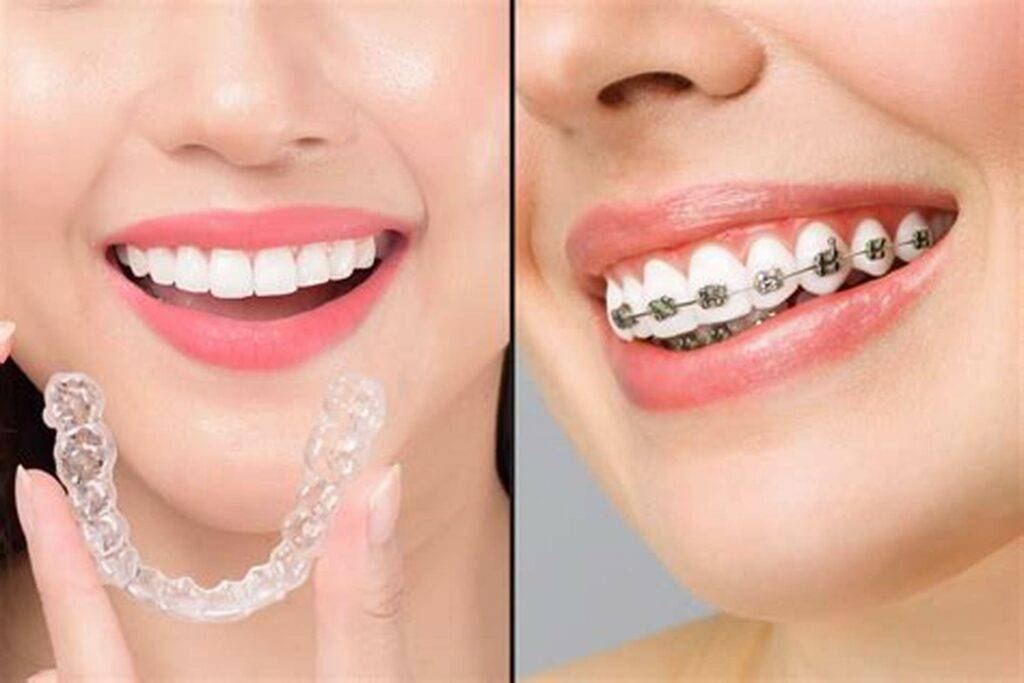
Orthodontic treatments have evolved dramatically over the years, offering patients multiple options to achieve straight teeth and a healthy bite. Two of the most popular choices today are clear aligners and traditional braces. Each method has its advantages, limitations, and ideal candidates. Clear aligners are nearly invisible, removable trays that gradually shift teeth into place, while traditional braces use brackets and wires for precise alignment. Choosing the right solution depends on factors such as the complexity of the case, lifestyle, age, and aesthetic preferences. In this article, we explore the differences, principles, benefits, and considerations of both treatment options to help patients make informed decisions.
What Are Clear Aligners and Traditional Braces?
Clear aligners are custom-made, transparent trays that fit snugly over the teeth. Patients wear them for 20–22 hours a day, switching to a new set of aligners every one to two weeks to gradually move teeth into the desired position. They are removable for eating, drinking, brushing, and flossing, making oral hygiene easier.
Traditional braces consist of brackets attached to the teeth and connected by wires. These brackets apply constant pressure to move teeth over time and are adjusted periodically by an orthodontist. Braces are highly effective for complex misalignments, severe crowding, or bite issues, and they remain the gold standard for precise tooth movement.
Principles of Orthodontic Tooth Movement
Both clear aligners and braces rely on the principle of controlled, gradual tooth movement. Orthodontists apply gentle, consistent pressure to teeth, stimulating the bone and periodontal ligaments to remodel and allow the teeth to shift safely. Digital imaging and diagnostic tools help create precise treatment plans tailored to the patient’s needs. While braces allow for fine-tuned adjustments in all directions, aligners work effectively for mild to moderate cases and rely on patient compliance to achieve the best results. The underlying principle for both is functional and aesthetic improvement, ensuring a healthy bite and a beautiful smile.
Advantages and Considerations of Clear Aligners
Clear aligners offer numerous benefits. They are virtually invisible, making them ideal for adults and teens concerned about aesthetics. Removability allows for easier brushing, flossing, and eating without dietary restrictions. Treatment is often more comfortable, with fewer sore spots compared to braces. However, aligners may not be suitable for severe crowding, complex bite corrections, or certain rotations of teeth. Consistent wear and adherence to the orthodontist’s instructions are crucial for achieving optimal results. Patients must also commit to cleaning aligners regularly to maintain oral hygiene.
Advantages and Considerations of Traditional Braces
Traditional braces are highly effective for complex cases, including significant crowding, crossbites, overbites, and underbites. They allow orthodontists precise control over tooth movement and can address more severe dental issues. Modern braces are more comfortable and less noticeable than earlier models, with options like ceramic or lingual braces that blend with teeth. Limitations include challenges in cleaning around brackets, dietary restrictions to prevent damage, and occasional discomfort after adjustments. Despite these considerations, braces remain the most reliable solution for complex orthodontic corrections.
Integrating Orthodontic Care with Daily Oral Hygiene
Regardless of the treatment method, maintaining excellent oral hygiene is essential. Clear aligners must be cleaned and removed during meals to prevent plaque accumulation and staining. Braces require meticulous brushing and flossing around brackets and wires to prevent cavities and gum disease. Routine dental checkups complement orthodontic treatment by monitoring tooth and gum health. Fluoride treatments, interdental brushes, and water flossers can further enhance hygiene, reducing complications and ensuring successful outcomes. Integrating orthodontic care with daily oral care ensures both the health and aesthetics of the teeth throughout treatment.
Lifestyle Tips During Orthodontic Treatment
Patients can adopt several lifestyle practices to optimize treatment results. Avoiding sticky, hard, or sugary foods prevents damage to braces or aligners and reduces the risk of cavities. Wearing protective gear during sports prevents injury to teeth and appliances. Consistent attendance at orthodontic appointments ensures proper adjustments and monitoring of progress. Staying hydrated and maintaining a balanced diet supports oral health and overall wellbeing. For clear aligners, following the recommended wear schedule is critical for timely treatment completion. Adhering to these practices improves both comfort and treatment efficiency.
FAQ’s
Which is better, clear aligners or traditional braces?
Both are effective, but braces are preferred for complex cases, while clear aligners are ideal for mild to moderate alignment and patients seeking aesthetics.
Are clear aligners uncomfortable?
Some pressure is normal as teeth move, but discomfort is generally mild compared to braces.
Can I eat normally with braces or aligners?
Clear aligners must be removed during meals. Braces require avoiding sticky or hard foods to prevent damage.
How long does orthodontic treatment take?
Treatment duration varies based on case complexity, ranging from several months for mild misalignment to 2–3 years for severe corrections.
Do adults benefit from orthodontic treatment?
Yes, orthodontic treatment is effective at any age, and modern options like clear aligners provide discreet solutions for adult patients.
Conclusion
Choosing between clear aligners and traditional braces requires understanding the advantages, limitations, and suitability of each method for individual needs. Both options offer significant benefits in improving oral health, bite function, and smile aesthetics.
Integrating orthodontic care with proper oral hygiene, professional monitoring, and healthy lifestyle habits ensures optimal results and long-term dental wellness. By selecting the right orthodontic solution, patients can achieve straighter teeth, a confident smile, and lasting oral health.
