

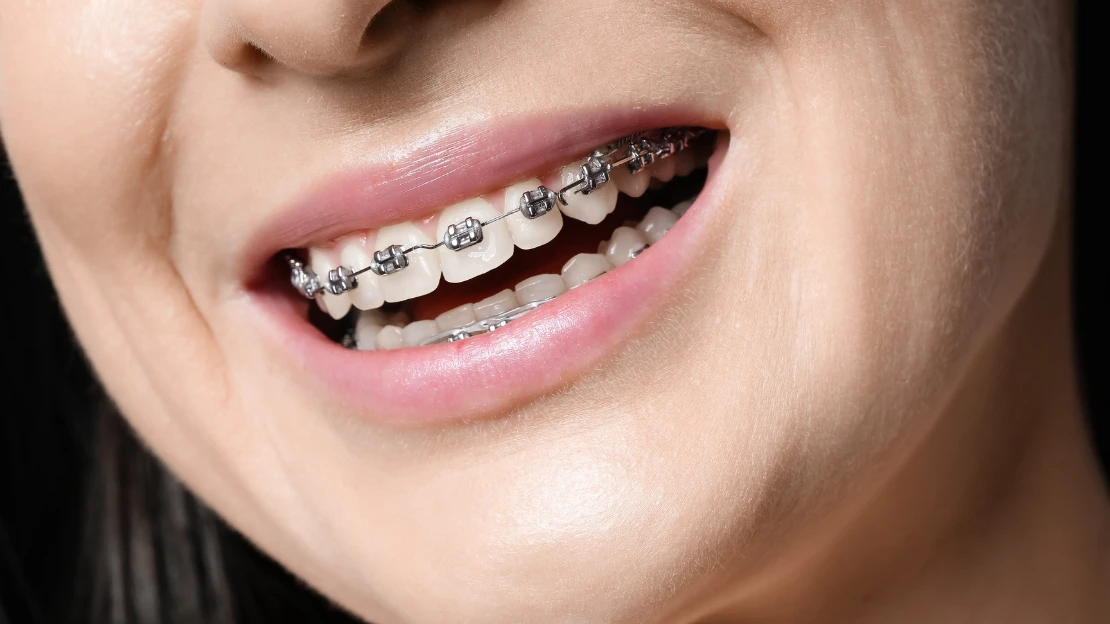
An overbite, one of the most common dental alignment issues, occurs when the upper front teeth excessively overlap the lower front teeth. While mild overbites are often cosmetic, severe cases can lead to functional problems, including difficulty chewing, jaw pain, speech issues, and increased risk of tooth wear. Correcting an overbite not only enhances smile aesthetics but also promotes long-term oral health. Orthodontic treatment provides effective solutions through braces, aligners, and other appliances. In this article, we explore the causes, principles, treatment options, and lifestyle considerations for managing overbites successfully.
What Is an Overbite?
An overbite, also known as a deep bite, occurs when the upper teeth extend too far over the lower teeth. Causes include genetics, childhood habits such as thumb sucking or prolonged pacifier use, jaw development issues, and misaligned teeth. Symptoms may range from mild aesthetic concerns to significant functional challenges like enamel wear, gum irritation, jaw pain, and temporomandibular joint (TMJ) discomfort. If left untreated, severe overbites can contribute to tooth decay, gum disease, and difficulty maintaining oral hygiene. Early evaluation and intervention by an orthodontist can prevent complications and improve both dental function and facial aesthetics.
Principles of Orthodontic Overbite Correction
Orthodontic correction of an overbite relies on controlled tooth movement and jaw alignment. Braces or clear aligners apply gentle, consistent pressure to reposition teeth gradually. In some cases, appliances like bite plates or expanders may be used to modify jaw growth in children. Treatment planning involves careful evaluation of dental and skeletal structures using X-rays, digital scans, and bite analysis. The goal is to achieve proper alignment of the upper and lower teeth, balance facial proportions, improve bite function, and protect teeth and gums from long-term damage.
Common Orthodontic Treatments for Overbite
Several orthodontic treatments are available for correcting overbites. Traditional braces are highly effective for aligning teeth and adjusting bite relationships, suitable for mild to severe cases. Clear aligners offer a discreet alternative for mild to moderate overbites, allowing gradual tooth movement with removable trays. Functional appliances, often used in growing children, guide jaw growth to improve bite alignment naturally. Retainers are essential after active treatment to maintain results and prevent relapse. Treatment selection depends on the patient’s age, severity of the overbite, and overall dental health, ensuring a customized approach for optimal outcomes.
Integrating Orthodontic Care with General Dentistry
Orthodontic treatment is most effective when combined with routine dental care. Regular checkups, professional cleaning, and preventive care maintain gum and tooth health during treatment. Poor oral hygiene can lead to plaque buildup, cavities, or gum disease, which may complicate orthodontic treatment. Fluoride toothpaste, soft-bristled brushes, interdental brushes, and water flossers help protect teeth and gums. Collaborating with general dentists ensures continuous monitoring of oral health, timely interventions for cavities, and overall success in correcting the overbite.
Lifestyle Tips for Managing Overbite During Treatment
Lifestyle habits significantly impact the success of orthodontic treatment for overbites. Patients should avoid hard, sticky, or chewy foods that can damage braces or appliances. Maintaining proper oral hygiene through thorough brushing and flossing prevents plaque accumulation and enamel wear. For children, discouraging habits such as thumb sucking or tongue thrusting supports treatment outcomes. Consistent attendance at orthodontic appointments ensures timely adjustments and effective bite correction. A balanced diet rich in vitamins and minerals supports healthy teeth and jaw development throughout treatment.
FAQ’s
At what age should an overbite be treated?
Early evaluation around age seven is recommended, but treatment can be effective in adolescents and adults depending on severity.
Can clear aligners correct severe overbites?
Clear aligners are most effective for mild to moderate overbites. Severe cases may require braces or functional appliances.
Is overbite correction painful?
Some mild discomfort or pressure is normal, especially after adjustments, but it typically subsides within a few days.
How long does overbite treatment take?
Treatment duration varies based on the complexity of the overbite, ranging from several months for mild cases to 2–3 years for severe corrections.
Will the overbite return after treatment?
Retainers are essential post-treatment to maintain results and prevent relapse. Proper follow-up care ensures long-term stability.
Conclusion
Correcting an overbite is vital for both aesthetic and functional reasons. Orthodontic treatment aligns teeth, improves bite function, and reduces the risk of long-term dental complications.
When combined with proper oral hygiene, regular dental checkups, and lifestyle adjustments, orthodontic care provides a comprehensive approach to achieving a healthy, balanced smile. Addressing overbites proactively ensures lasting oral health, improved confidence, and enhanced overall well-being.
