

After months or years of orthodontic treatment with braces or clear aligners, achieving a straight, healthy smile is a major milestone. However, without proper retention, teeth can gradually shift back toward their original positions—a process known as relapse. Retainers are essential for maintaining the results of orthodontic treatment and protecting the investment in your smile. This article explores the role of retainers, the principles behind their use, types of retainers, and practical tips for ensuring long-term orthodontic success.
What Are Retainers?
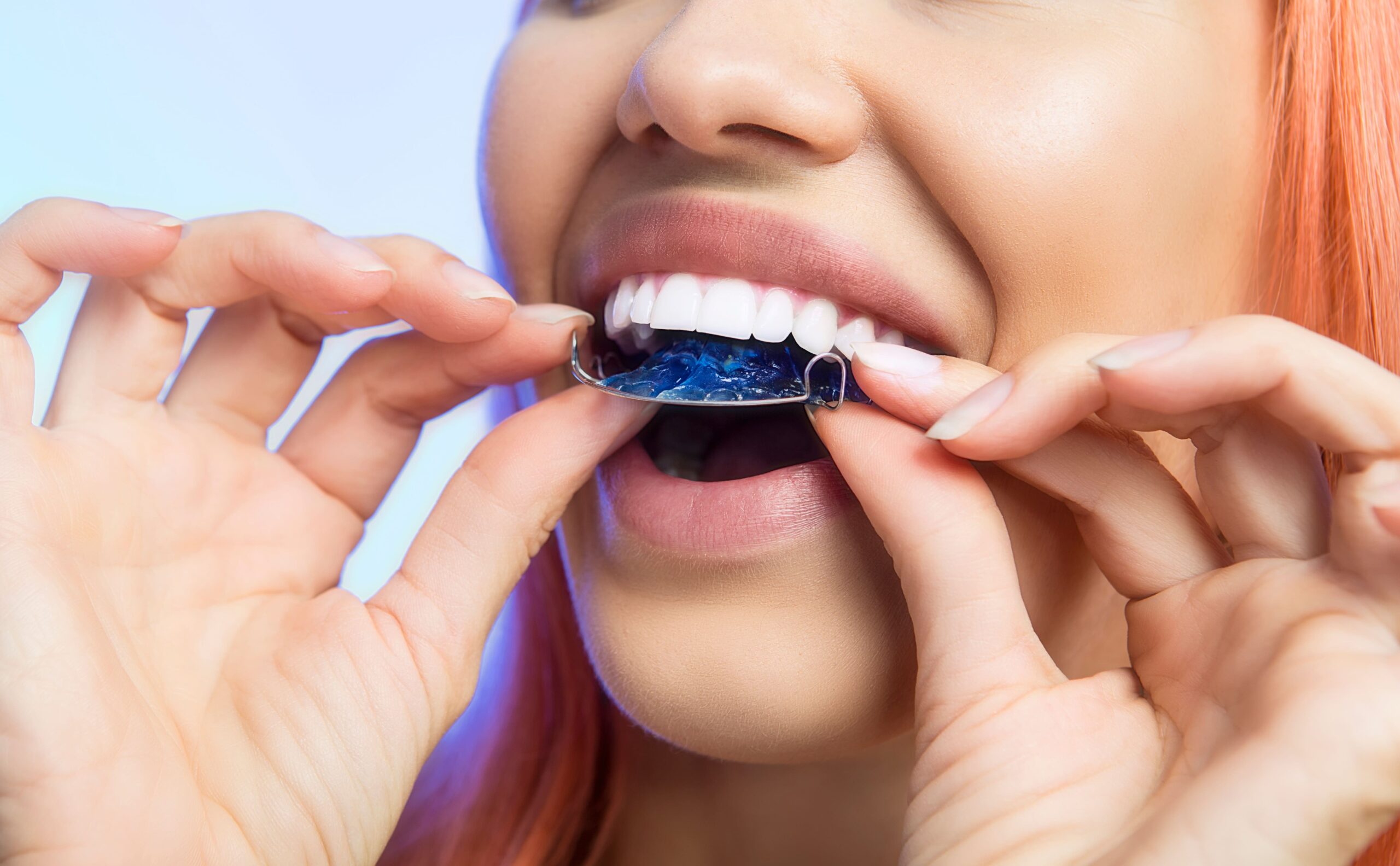
Retainers are custom-made devices worn after active orthodontic treatment to hold teeth in their corrected positions. They can be removable or fixed and are designed to stabilize teeth while surrounding bone, ligaments, and gums adjust to the new alignment. The use of retainers is a critical phase of orthodontic care, as teeth are naturally prone to movement even after treatment is completed. Consistent use of retainers ensures that the bite remains functional, the smile remains aesthetically pleasing, and long-term oral health is preserved.
Principles of Retention in Orthodontics
Retention in orthodontics relies on the principle that teeth and surrounding tissues need time to adapt to their new positions. Immediately after braces or aligner treatment, the bone around teeth is still remodeling, and periodontal ligaments are flexible. Retainers provide gentle support to prevent teeth from drifting back to their previous positions. Orthodontists tailor retention protocols based on individual cases, including age, bite complexity, and type of previous treatment. Long-term or lifelong retention is often recommended to maintain results, particularly in adults whose teeth are more prone to shifting.
Common Types of Retainers
Several types of retainers are available, each suited to different needs:
Hawley Retainers – Removable retainers made of acrylic and metal wires that can be adjusted for minor corrections and durability.
Clear Plastic Retainers – Removable, nearly invisible retainers made from transparent materials, offering discreet protection for straightened teeth.
Fixed Retainers – Bonded to the back of teeth, these retainers provide continuous support, particularly useful for lower front teeth prone to relapse.
Each type of retainer has specific advantages and considerations, and the choice depends on patient preference, oral hygiene, and orthodontist recommendations.
Integrating Retainer Care with General Dentistry
Retainer use should be integrated with ongoing dental care. Regular dental checkups ensure teeth, gums, and retainers remain in optimal condition. Proper oral hygiene, including brushing, flossing, and cleaning removable retainers, prevents plaque buildup, cavities, and gum disease. Patients with fixed retainers should pay extra attention to cleaning around the bonded wire. Collaboration with a general dentist ensures that retainer maintenance supports long-term oral health alongside orthodontic retention.
Lifestyle Tips for Maintaining Retainers
Proper retainer care enhances longevity and effectiveness. Removable retainers should be worn as prescribed, cleaned daily, and stored safely when not in use. Avoid exposing retainers to high heat, such as hot water or direct sunlight, to prevent warping. Avoid chewing on hard or sticky foods that could damage retainers. Consistently attending orthodontic follow-up appointments allows for adjustments and ensures retainers continue to fit correctly. Encouraging these habits helps maintain a stable, healthy, and attractive smile for life.
FAQ’s
How long do I need to wear a retainer?
Duration varies by case. Many patients wear retainers full-time initially, then transition to nightly wear. Some may require long-term or lifelong retention.
Are retainers uncomfortable?
Some minor discomfort is normal at first, but most patients adjust quickly. Fixed retainers generally do not cause discomfort.
Can I eat with a removable retainer?
Removable retainers should be taken out when eating or drinking anything besides water to prevent damage or staining.
Do retainers prevent all teeth movement?
Retainers stabilize teeth but cannot stop all natural changes. Consistent use minimizes unwanted movement.
How often should retainers be checked?
Regular orthodontic follow-ups, typically every 6–12 months, ensure retainers fit properly and maintain alignment.
Conclusion
Retainers are a vital component of orthodontic care, protecting the results of braces or aligners and ensuring long-term dental stability. They preserve alignment, support bite function, and contribute to oral health and aesthetics.
When combined with proper oral hygiene, routine dental care, and consistent follow-up, retainer use ensures that a straight, healthy smile remains for life. By adhering to orthodontist guidance and maintaining good habits, patients can enjoy the full benefits of their orthodontic treatment while safeguarding their investment in a confident, beautiful smile.
