

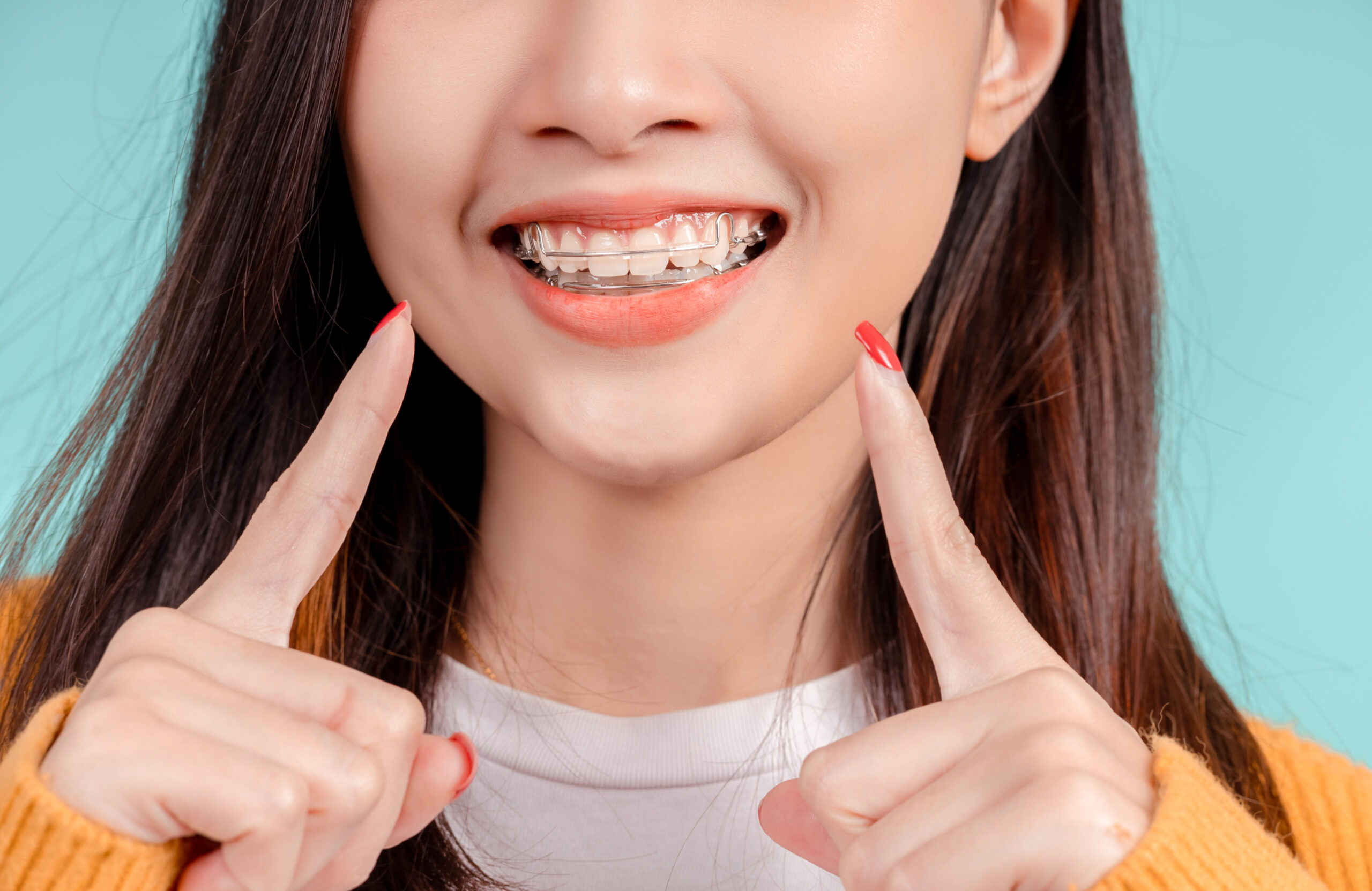
Overcrowded teeth are a common orthodontic issue in which there is insufficient space in the jaw to accommodate all teeth properly. This condition can lead to misalignment, bite problems, difficulty cleaning teeth, and increased risk of cavities or gum disease. Effective orthodontic care addresses overcrowding early to prevent long-term complications and create a functional, aesthetically pleasing smile. In this article, we explore the causes, treatment principles, common interventions, and lifestyle considerations for managing overcrowded teeth successfully.
What Are Overcrowded Teeth?
Overcrowded teeth occur when teeth overlap, rotate, or are displaced due to limited space in the jaw. Causes include genetics, delayed loss of primary teeth, abnormal jaw growth, and habits such as thumb sucking. Symptoms may include difficulty brushing and flossing, uneven wear on teeth, jaw discomfort, and an irregular smile. Left untreated, overcrowding can increase the risk of oral health issues such as cavities, gum disease, and bite problems. Early orthodontic evaluation is critical for determining the best course of treatment and preventing complications.
Principles of Orthodontic Treatment for Overcrowding
Orthodontic treatment for overcrowded teeth relies on creating space and gradually moving teeth into proper alignment. Braces, clear aligners, or expanders apply gentle, controlled forces to stimulate bone remodeling and tooth movement. Diagnostic tools such as X-rays, 3D imaging, and dental impressions enable precise treatment planning. The ultimate goal is not only to straighten teeth but also to improve bite function, enhance facial aesthetics, and maintain long-term oral health. Early intervention, particularly in children, allows for guided jaw growth that reduces the need for extensive future treatments.
Common Orthodontic Interventions for Overcrowding
Several orthodontic treatments effectively address overcrowding. Traditional braces realign overlapping or rotated teeth and correct bite issues simultaneously, suitable for mild to severe cases. Clear aligners provide a discreet option for mild to moderate overcrowding, allowing gradual tooth movement with removable trays. Palatal expanders are commonly used in children to widen the upper jaw and create space for proper tooth eruption. In severe cases, tooth extraction may be necessary to relieve crowding and facilitate alignment. Retainers are critical after active treatment to maintain results and prevent relapse. Treatment selection depends on age, severity, and individual dental needs.
Integrating Orthodontic Care with General Dentistry
Orthodontic treatment is most effective when combined with routine dental care. Regular checkups and professional cleanings prevent cavities, plaque buildup, and gum disease during treatment. Maintaining proper oral hygiene with brushing, flossing, and tools like interdental brushes or water flossers is crucial for protecting teeth and gums. Collaboration with a general dentist ensures continuous monitoring of oral health, timely intervention for issues, and support for long-term success in overcrowding correction.
Lifestyle Tips for Managing Overcrowded Teeth During Treatment
Lifestyle habits can significantly impact treatment outcomes. Patients should avoid hard, sticky, or sugary foods that could damage braces or aligners. Consistent attendance at orthodontic appointments ensures proper adjustments and progress monitoring. For children, discouraging habits such as thumb sucking supports treatment success. Maintaining a balanced diet rich in vitamins and minerals promotes healthy teeth and jaw development. Protective gear during sports prevents injury to teeth and orthodontic appliances. These practices enhance comfort, efficiency, and long-term results during orthodontic care.
FAQ’s
At what age should overcrowded teeth be addressed?
Early evaluation around age seven is recommended, but treatment can be effective in adolescents and adults depending on severity.
Can clear aligners correct overcrowded teeth?
Yes, clear aligners are effective for mild to moderate overcrowding, while severe cases may require braces or expanders.
Is orthodontic treatment painful?
Some mild discomfort or pressure is common, especially after adjustments, but it typically subsides within a few days.
How long does treatment for overcrowded teeth take?
Duration varies depending on severity, ranging from several months for mild cases to 2–3 years for complex alignment.
Will teeth crowd again after treatment?
Retainers are essential post-treatment to maintain results and prevent relapse. Consistent use ensures long-term alignment.
Conclusion
Correcting overcrowded teeth is essential for improving bite function, oral hygiene, and smile aesthetics. Orthodontic treatment creates space, aligns teeth, and protects oral health from long-term complications.
When combined with proper oral hygiene, routine dental care, and healthy lifestyle practices, orthodontic treatment provides a comprehensive solution for overcrowding. Early and consistent intervention ensures functional, attractive, and lasting results, supporting lifelong oral health and confidence.
